
Residential Mold Removal
Residential mold removal addresses growth in condos and houses, whether one room or multiple spaces need attention from a local crew.
See residential mold removalGet a plan for extensive mold growth across rooms in Avalon. Cover containment, contents, drying and water correction.
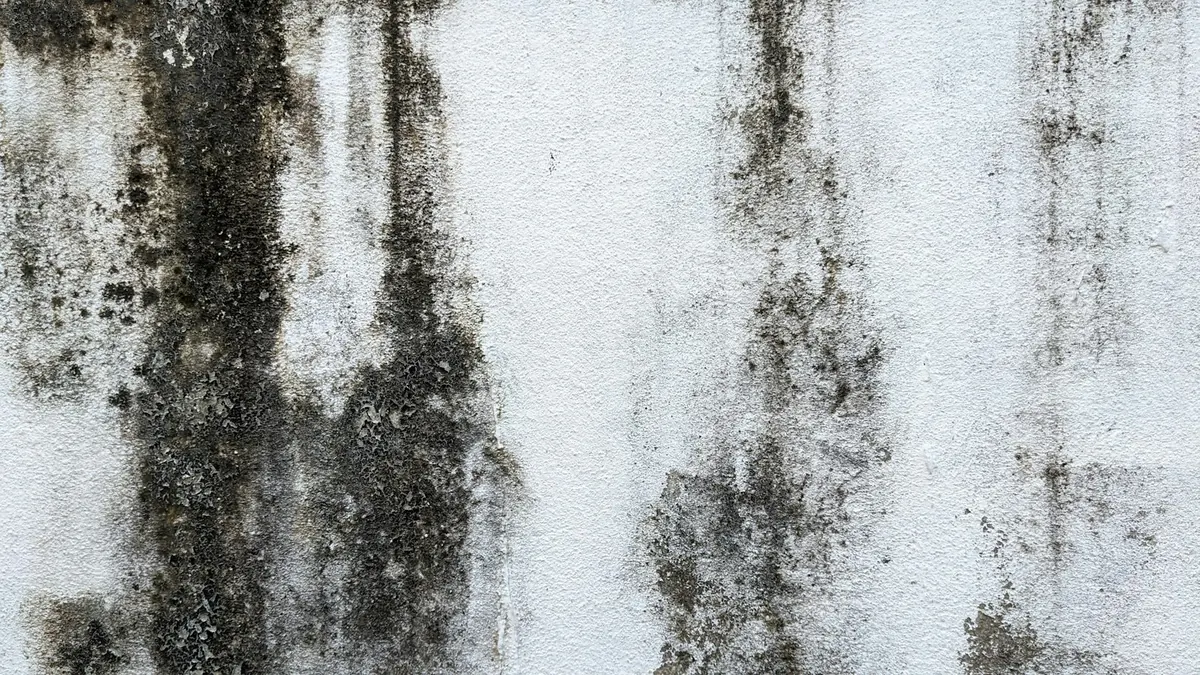
Remediation for an entire house deals with mold affecting several rooms or parts of a building system.
Moisture readings and inspection determine the source, impacted materials and extent of growth. Those findings shape a scope for rebuilding, controlled work areas and removal.
Contents may be packed out while demolition, negative air equipment and HEPA filtration support the removal process. Controlled mold removal is what abatement describes. It is not the elimination of all mold spores.

Ask how the source will be corrected and which readings are required before rebuilding.
Choose an independent assessor to perform clearance testing. Verification can involve moisture readings, air sampling or visual checks.
Request details on barriers, access limits, negative air machines and clean paths.
The plan should assign responsibility for contents, demolition, cleaning, drying and rebuilding.
Assess the whole home when moisture or growth crosses room boundaries.
A musty odor can be a sign of damp insulation, flooring or drywall. Trace moisture patterns before opening any wall.
People use black mold as a search term. CDC guidance says color does not show how risky mold is.
Under EPA guidelines, preventing mold growth means drying water-damaged areas and items within 24 to 48 hours.
One roof, plumbing, humidity or drainage issue may explain patches found on separate floors.
Address the water, avoid disturbing mold and document what you see.
Call (844) 352-3560Published guides put whole-home and whole-house work in the $10,000 to $30,000 range. For mold covering about 1,200 square feet, Fixr gives a $12,000 to $36,000 range. For an area of about 1,000 square feet, This Old House gives a $10,000 to $25,000 range using data credited to Angi. None of these figures is a quote.
The figures are published national cost guide ranges, not results of a property visit. Your property price is set after an on-site assessment and should be explained before work starts.
Ask about cost: (844) 352-3560Your policy terms and the source of water determine insurance coverage. A long-running leak can differ from an event that happens suddenly.
Project size usually does not control coverage, but the cause does. Save source-repair documentation.
Under California's housing law, visible mold found by a health officer or code enforcement officer can make a rental substandard. Renters can contact their local health or code enforcement department to ask for an inspection. Preserve dated photos plus messages documenting leaks and repair requests.
File promptly. Discuss the mold sublimit, deductible, contents coverage and required photos.
California's Toxic Mold Protection Act includes a landlord written-disclosure section (Health and Safety Code 26147). By its own wording it applies only after the state adopts mold exposure standards, and the state health department has said it could not set them. Save repair records, the clearance report, moisture readings and the scope.
The remediation sequence starts with assessment, then continues through removal, drying and verification.
The entire house is checked for growth and moisture. Use the findings to define affected materials and every work zone.
Work zones are divided with poly sheeting. Use a negative air machine to help confine dust inside containment.
Sort items for cleaning or disposal. Porous drywall, insulation and carpet may need removal.
Cleaning is performed on sound framing and non-porous surfaces. Do not substitute antimicrobial treatment for cleaning.
Drying equipment can consist of air movers and a dehumidifier. Use moisture readings to decide when materials can be closed.
An assessor who is independent should conduct post-remediation verification. Possible elements include moisture readings, air sampling or visual checks.

Call whenever you need. Your call reaches a Whole-House mold remediation specialist who hears your concerns and explains the process ahead.
Large-scale work requires moisture monitoring, personal protection and containment.
EPA guidance recommends experienced professional help if mold comes after sewage or contaminated water.
Wet insulation may remain concealed. Checks use a moisture meter. Thermal imaging cannot confirm the presence of mold.
Allergy and asthma symptoms may be triggered by mold for some people. Staying elsewhere may be worth considering if safe separation is impossible.
Can you clean it yourself? EPA guidance indicates that a homeowner can often clean less than about 10 square feet. Help is needed for contaminated water, HVAC systems and larger areas.
Timing varies based on drying, rebuilding, affected rooms, verification, contents and source repair.
When you notice a musty odor, check for dampness near walls, HVAC equipment and plumbing. Also examine lower levels, a basement, attic and crawl space.
Aim for indoor relative humidity between 30 and 50 percent, and always below 60 percent. A leak still needs repair even when you use a dehumidifier.

California has no state license or certification for mold assessors or remediators, according to the California Department of Public Health. General construction work above a small dollar amount does need a license from the Contractors State License Board (CSLB), so it is worth checking a contractor's license there and asking about their mold training. Ask which permits apply to demolition, HVAC work or rebuilding.
Fix moisture problems. Water-damaged areas and items should dry within 24 to 48 hours to prevent mold growth.
Federal rules set no limit for mold levels indoors. Testing needs a clear purpose.
The California Department of Public Health (CDPH) Air Quality Section publishes mold and dampness guidance and a mold FAQ. CDPH says visible mold, dampness, and mold odor are unhealthy and should be fixed, and that routine mold testing is not needed when mold is visible. Check the rules for demolition, planned repairs and your type of property.
The full Whole-House mold remediation guide covers what is cleaned or removed, odor and air quality work, and the rules that apply in California.
Read the full Whole-House mold remediation guide
Local housing, humidity and property access can shape moisture control, containment and mold cleanup planning.
For the 49 percent of homes occupied by renters, noting the room, moisture source, and date in writing can help focus inspection and removal on the affected materials.
With a median construction year of 1946, local homes may have older pipes or roofing details that should be checked and repaired before mold damaged materials are replaced.
In Avalon, 43 percent of homes are single-family, so removal planning should match the structure instead of assuming every leak stays within one residence.
Among local seniors, 17 percent live alone in Avalon, and anyone living by themselves may miss a hidden leak or musty odor in a seldom-used room.
Your call can include questions about mold cleanup availability in close-by communities and ZIP codes.
Residential mold removal addresses growth in condos and houses, whether one room or multiple spaces need attention from a local crew.
See residential mold removal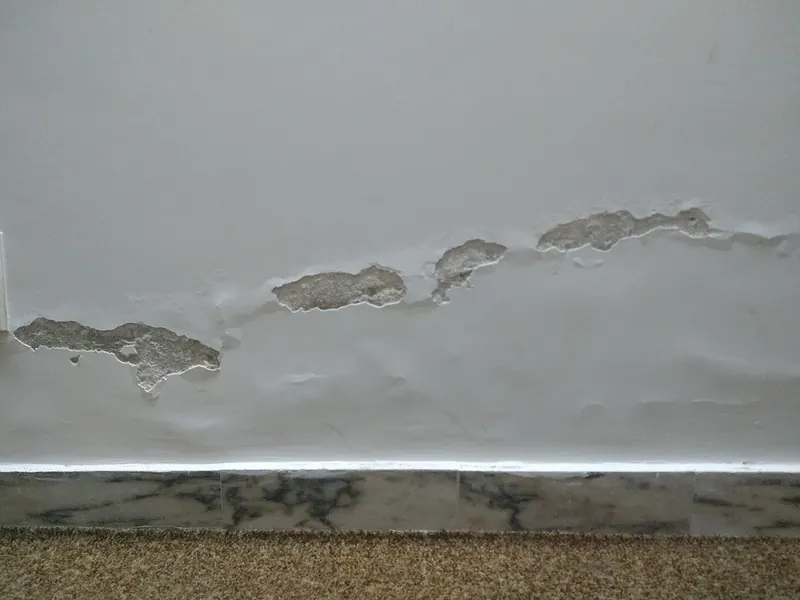
Hidden mold remediation locates and clears hidden mold behind wall surfaces, beneath flooring and over ceilings where it is out of view.
See hidden mold remediation (behind walls)
With mold damage restoration, mold is removed first, then affected drywall, floors, insulation and other materials are fixed or replaced.
See mold damage restoration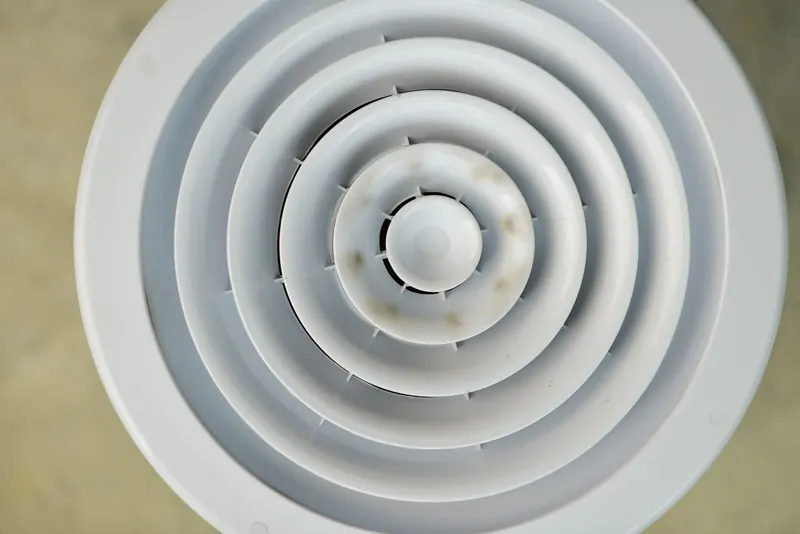
HVAC and air duct mold removal clears growth from vents, coils, drain pans and ducts to stop its spread through the system.
See HVAC and air duct mold removal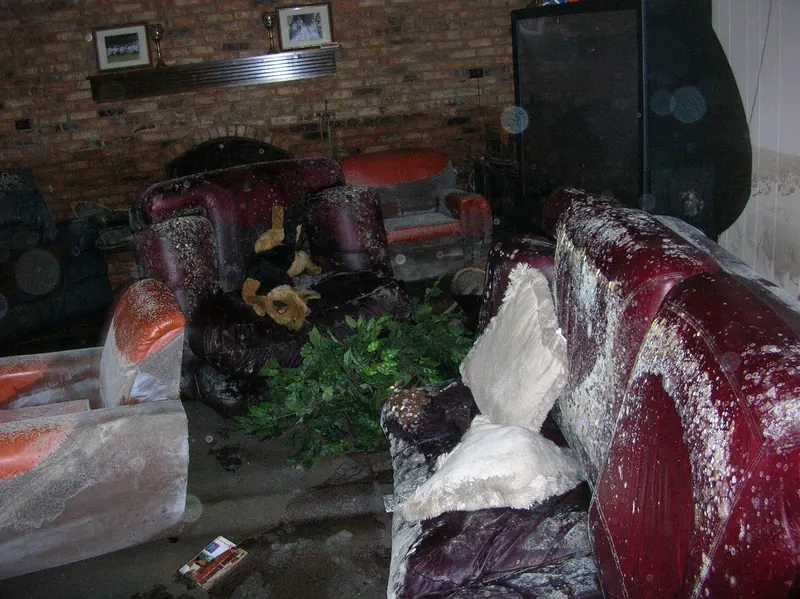
After a flood or leak, water damage mold cleanup removes the resulting growth and dries the structure against recurrence.
See water damage mold cleanup
Mold contents cleaning treats affected clothing, furniture and belongings, allowing salvageable items to be returned in clean condition.
See moldy belongings and contents cleaning
A visual check and air samples are part of mold clearance testing performed after removal to confirm a clean space.
See mold clearance testing
Learn how mold removal cost is shaped by factors including affected-area size, the materials present and repairs that may be necessary.
See mold removal costGuides list the whole home and whole house categories from $10,000 to $30,000 overall. For about 1,200 square feet of mold, Fixr lists $12,000 to $36,000 total. Rooms, drying, demolition and rebuilding determine your cost. These numbers are not a quote for your property.
Mold grows where moisture remains. Possible sources are high humidity, floods, drainage issues, condensation, wet cavities and plumbing or roof leaks. Have the source corrected. To prevent mold growth, EPA guidance calls for drying water-damaged items and areas within 24 to 48 hours.
Consider HVAC contamination, access to essential rooms, work zones and your household members. Relocating temporarily can be practical if safe separation is impossible. Before work begins, ask about access restrictions and the staged project timeline.
After fixing leaks and drainage, track relative humidity and promptly dry new water damage. Keep indoor humidity ideally between 30 and 50 percent, and always below 60 percent. Retain records of repairs. Investigate the water source when a musty odor, stains or dampness come back.
Growth can be removed, but mold spores occur naturally. Remove contamination and growth, dry the materials and fix the moisture source as the practical goal. A scope may be checked through post-remediation verification, but a home with no mold spores is not realistic.
Look for growth, musty odor and damp materials. Check a crawl space, basement, attic, other lower level or HVAC equipment while leaving growth undisturbed. A moisture meter can guide checks during your mold in house inspection. Mold cannot be identified through thermal imaging.
For calm and useful guidance about Whole-House mold remediation, you can reach someone by phone 24 hours a day.