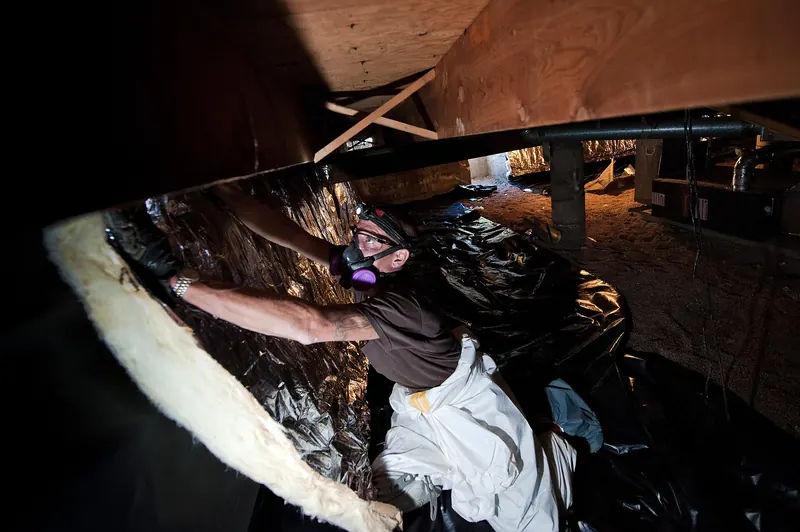
Crawl Space Mold Removal
Under your home, crawl space mold removal cleans the subfloor, joists and insulation and deals with the moisture source.
See crawl space mold removalGet a plan for mold, ground vapor or high humidity in Avalon. Cover removal, repairs, drying, liner details and humidity control.
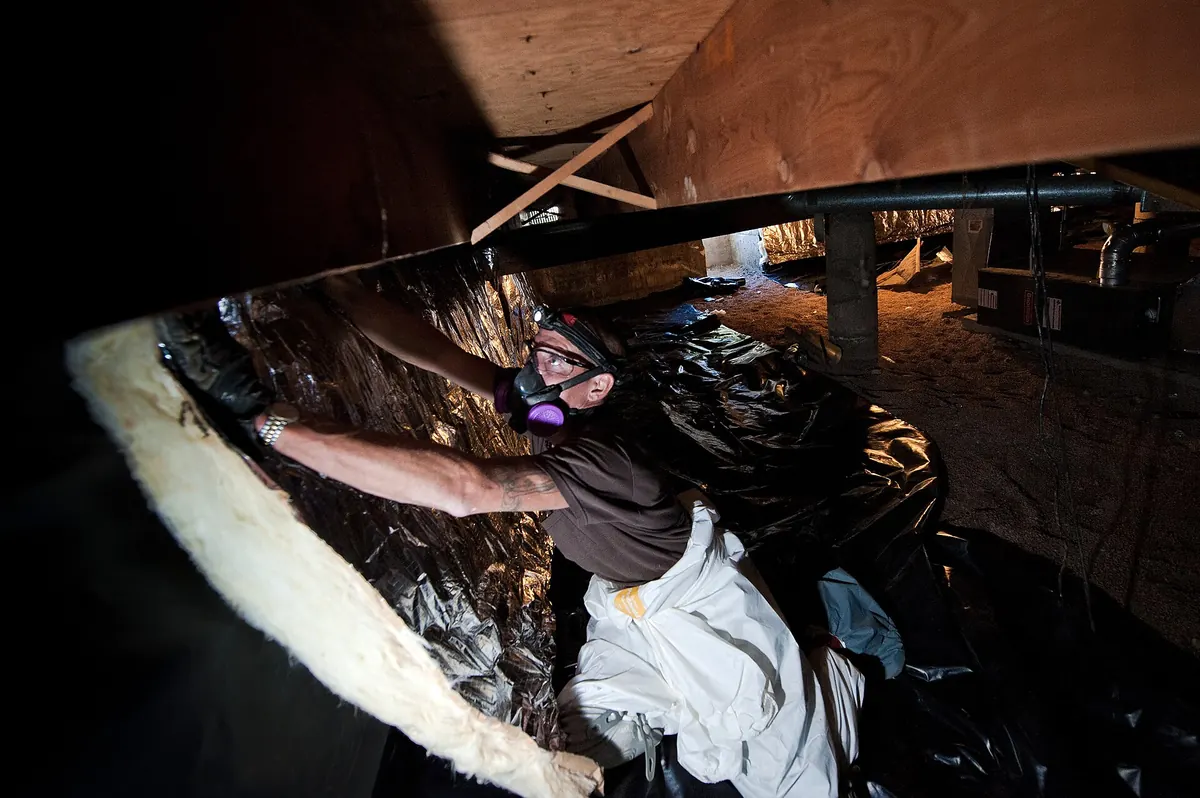
Ground and walls are covered by a crawl space liner. After correcting water and mold, humidity is controlled inside the sealed area.
Moisture, drainage and the planned coverage belong in a written scope. It also identifies equipment, foundation wall insulation and repairs within the crawl space.
Waterproofing controls liquid water in a crawl space. Ground vapor is restricted with a vapor barrier. These measures do not remove surface mold or growth on insulation.

The scope should identify membrane thickness, coverage, seams, vents, insulation and equipment.
Ask how readings guide the work and how water will be corrected. Damp material must remain uncovered.
Ask whether HEPA filtration is included and how access and occupied areas will be protected.
Have an independent assessor conduct clearance testing once cleaning is complete and before the liner hides any surface.
When humid air or leaks leave the space damp, consider moisture controls. Inspect the area before covering it.
Look for hidden moisture when you notice peeling paint, condensation, odor or water stains. Use a moisture meter to locate damp framing.
Choose drainage, leak repair or a sump pump when needed. Do not leave standing water trapped under a membrane.
Humid air enters through vents, pipe gaps and a loose crawl space door. Correct mold and water before completing vent sealing.
Remove mold before sealing. You cannot tell risk from color. Scope the affected materials and square footage.
Photograph the space without disturbing growth. Safely stop incoming water.
Call (844) 352-3560This Old House lists encapsulation at $1,500 to $15,000 overall. It puts each square foot between $3 and $7 and gives $3,000 to $7,000 when the space measures 1,000 square feet. Those figures do not quote your property. Repair needs and mold removal can alter the total.
Published national cost guides are the source of these ranges, rather than an inspection of your property. Your property price is set after an on-site assessment and should be explained before work starts.
Ask about cost: (844) 352-3560Coverage may apply to mold work caused by a sudden, covered event. Policies often exclude preventive work and long-term leaking. They can also include a separate mold sublimit.
Promptly report a sudden water event. Ask about coverage, mold sublimits and required records.
Under California's housing law, visible mold found by a health officer or code enforcement officer can make a rental substandard. Renters can contact their local health or code enforcement department to ask for an inspection. Keep dated photos and messages about leaks, odor, mold and repair access.
California's Toxic Mold Protection Act includes a landlord written-disclosure section (Health and Safety Code 26147). By its own wording it applies only after the state adopts mold exposure standards, and the state health department has said it could not set them. Save an independent clearance report along with photos, readings and repair after remediation records.
A policy can classify prevention separately from covered repair work. Ask about removal, drying, replacement and sealing.
Work moves from inspection and removal to drainage, drying and sealing.
Chart growth and water paths. Moisture meters check materials. A thermal imaging camera does not identify mold.
Poly sheeting separates the affected area. Dust movement is limited through negative air pressure and an air filtration device.
Damaged porous materials should be bagged within containment. Crawl space cleaning includes using a HEPA vacuum across sound surfaces.
Correct bulk water. Air movers and a dehumidifier support drying. Moisture readings show drying progress.
Install the membrane across the ground and designated walls. Tape seals seams. The design accounts for piers, insulation, vents and doors.
Once drying is complete, set the dehumidifier and verify the drain. Maintain the equipment.
An independent assessor should complete post-remediation verification and any air sampling before liner work hides surfaces.

Phone at any hour. A crawl space encapsulation specialist takes your call, discusses what you see and outlines what comes next.
Address water, mold and damage before sealing. Disturbance needs protective measures.
A liner cannot dry subfloor or clean mold. Check moisture readings before sealing edges and seams.
Removal may spread spores and dust. Nearby spaces are protected with a containment barrier, a HEPA air scrubber and negative air pressure.
Experienced help is called for by EPA when the problem includes contaminated water or sewage. Choose protective equipment suited to the contamination.
Can you clean it yourself? EPA says renters and homeowners can often clean an area under about 10 square feet. Repair water first. Larger areas, HVAC involvement and contaminated water call for professional help.
Remove damaged material with pores before the liner goes in. Keep solid surfaces only when cleaning and drying them is possible.
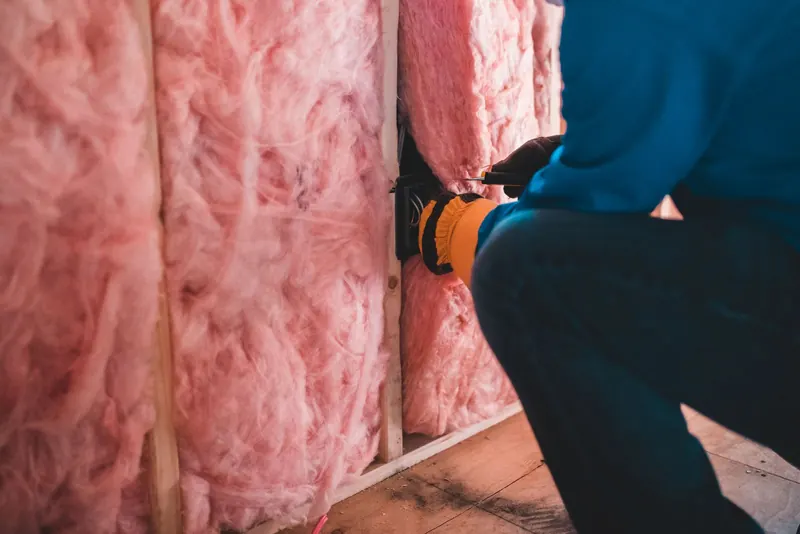
Timing depends on access, size, water correction, drying and liner details. After inspection, request the order of work.
A musty odor may point to concealed mold or material that remains damp. Deodorizing cannot correct moisture, so locate the water source ahead of sealing.
Keep indoor relative humidity under 60 percent and preferably at 30 to 50 percent, according to EPA. A dehumidifier in the crawl space helps support indoor air quality, though it is not a substitute for repair work.

The full crawl space encapsulation guide covers what is cleaned or removed, odor and air quality work, and the rules that apply in California and Los Angeles County.
Read the full crawl space encapsulation guideLocal humidity and housing, along with access to your property, can influence mold cleanup planning, moisture control and containment.
For the 49 percent of homes occupied by renters, noting the room, moisture source, and date in writing can help focus inspection and removal on the affected materials.
With a median construction year of 1946, local homes may have older pipes or roofing details that should be checked and repaired before mold damaged materials are replaced.
In Avalon, 43 percent of homes are single-family, so removal planning should match the structure instead of assuming every leak stays within one residence.
Among local seniors, 17 percent live alone in Avalon, and anyone living by themselves may miss a hidden leak or musty odor in a seldom-used room.
During your call, ask whether mold cleanup is available in surrounding communities and ZIP codes.
Under your home, crawl space mold removal cleans the subfloor, joists and insulation and deals with the moisture source.
See crawl space mold removal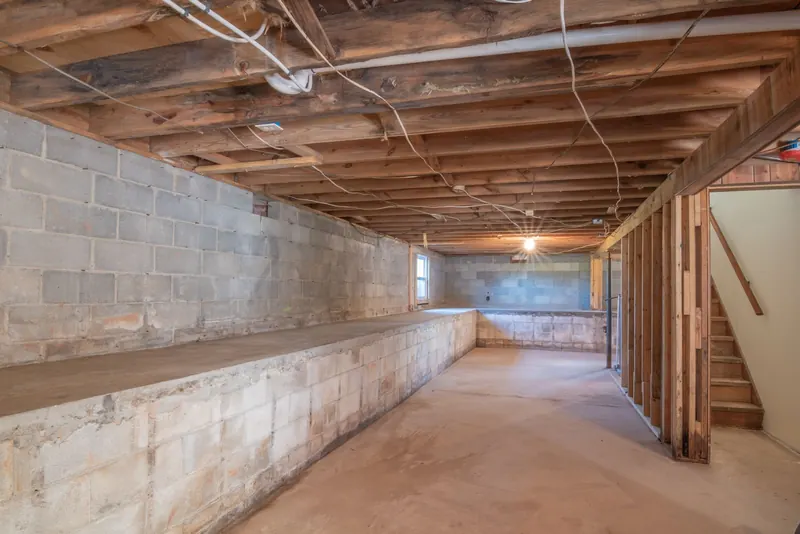
Basement mold removal addresses walls, framing, floors and stored items while correcting the damp conditions that support the growth.
See basement mold removal
Hidden mold remediation locates and clears hidden mold behind wall surfaces, beneath flooring and over ceilings where it is out of view.
See hidden mold remediation (behind walls)
Workers first use a mold inspection to find the affected areas and then remove and clean the growth.
See mold inspection and removal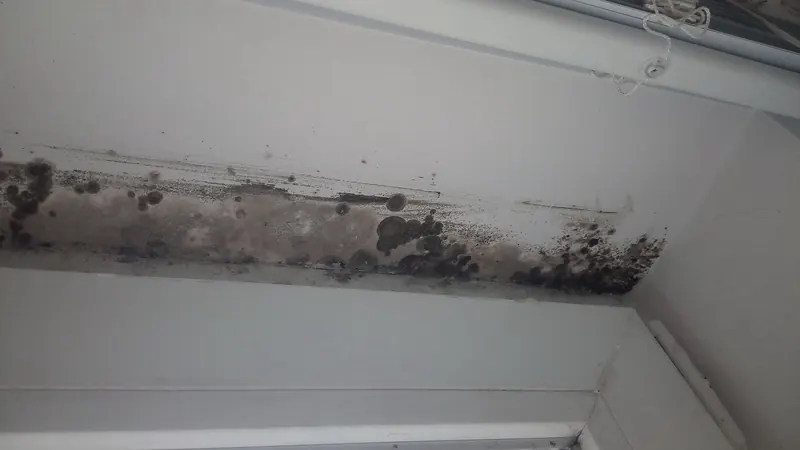
This service removes mold caused by high humidity and condensation on windows, walls and ceilings and points out how to lower moisture.
See humidity and condensation mold
After a flood or leak, water damage mold cleanup removes the resulting growth and dries the structure against recurrence.
See water damage mold cleanup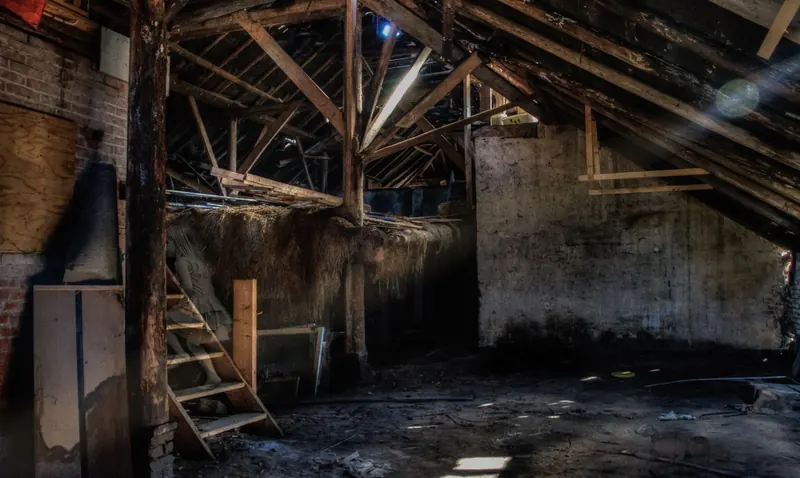
Insulation mold removal takes out wet or moldy insulation in attics, walls and crawl spaces so it can be replaced after cleaning.
See insulation mold removal
Wood framing mold removal clears growth from studs, rafters and joists, allowing the structure to dry out before sealing.
See wood framing mold removal (joists, studs, rafters)How long it lasts depends on maintenance, pests, wall attachments, tape, membrane quality, drainage and traffic. Ask about regular inspections and tear repair. Inspect the liner whenever water enters or plumbing work occurs, and maintain every drain system, dehumidifier and sump pump correctly.
Although a sealed membrane can be included in radon control, it cannot show that the level is acceptable. Mold removal is separate from radon testing and mitigation. Ask an appropriate radon professional about testing and the system needed for your property.
Moisture may be reduced when drainage, the membrane, vents, seams and humidity controls function together. It does not remove existing growth. Plan separately to remove and dry damaged porous material, correct the water source and address visible mold before installing a liner.
Eligibility can change and may depend on equipment, insulation, tax year and property. The complete project may not qualify. Keep invoices separating the liner, insulation, dehumidifier, drainage and repairs. Consult a qualified tax professional about the latest federal, local and state rules.
Expect published prices to vary by insulation, dehumidifier needs, square footage, drainage, condition and liner thickness. Additional work may result from mold or structural repair. Along with the encapsulation price, compare each scope for humidity controls, wall coverage and water correction that a low amount may omit.
Once liquid water is controlled, encapsulation may help if humid air or ground vapor remains. Crawl space encapsulation benefits vary with the preparation and ongoing maintenance. If leaks and drainage issues are not corrected, negatives include the expense and the chance of trapping water.
You can get straightforward, reassuring guidance on crawl space encapsulation by calling 24 hours a day.